HARALD GROSSKOPF
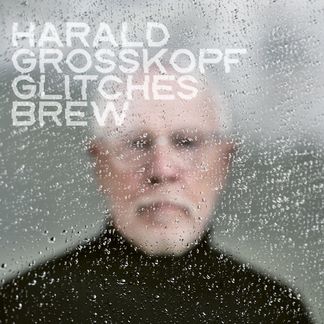
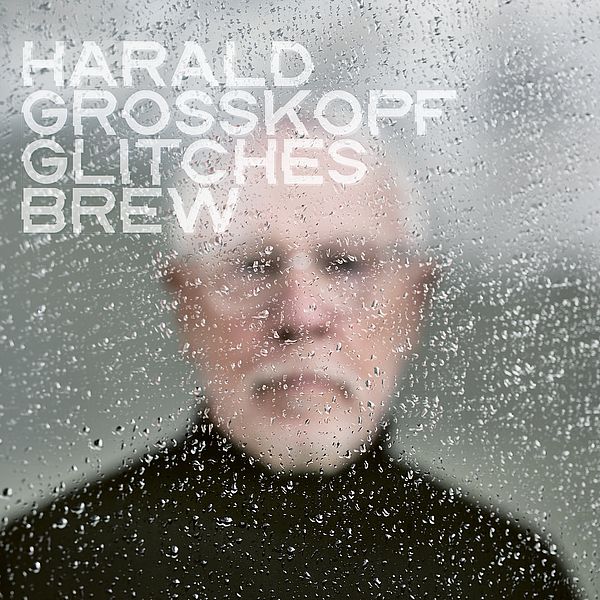
GLITCHES BREW - out June 5, 2026
The legendary Harald Grosskopf continues his long-standing relationship with Hamburg’s Bureau B with Glitches Brew, a vital new LP and the latest stage in his ongoing dialogue with electronic possibility. The titular nod to Miles Davis’ masterpiece Bitches Brew reflects Grosskopf’s sense of humour, while also hinting at the album’s underlying theme: the productive friction between man and machine.
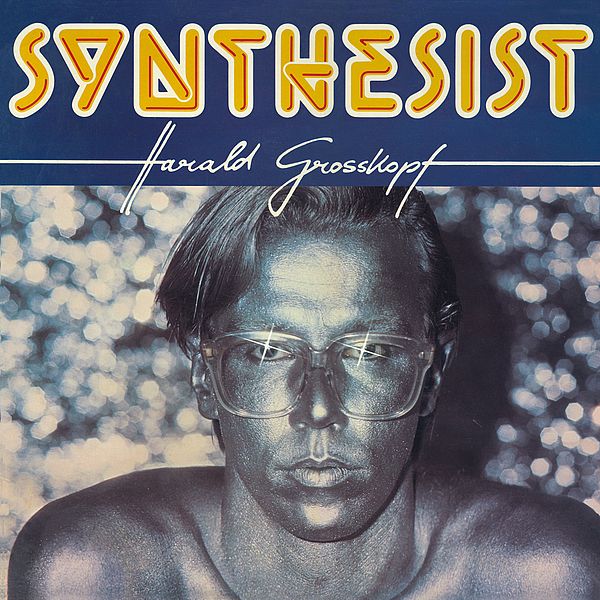
For the uninitiated, Grosskopf’s career spans six decades of German music history. From early beat groups in Hildesheim, through Krautrock propulsion with Wallenstein, cosmic explorations alongside Ashra, and defining work with Klaus Schulze, he has consistently pushed rhythm into evolving technological contexts. His 1980 solo debut Synthesist, previously reissued on Bureau B, helped establish a sequencer-driven language that bridged kosmische tradition and modern electronic form.
Created over three to four months in his garden studio, Glitches Brew is shaped by speed and responsiveness. Grosskopf worked primarily with digital instruments this time, travelling light and favouring fast access from feeling to recording. Ideas arrive spontaneously; he works until satisfied, often reshaping sounds the next day if they fail to spark with the same intensity. What emerges is a vivid, present-tense record where human instinct and electronic process remain in constant, audible conversation. Stems are recorded in mono or stereo, passed through a Studer desk and printed to two-track, restoring weight and tactility to digital sources. Where VST synthesis can lack transient bite, analogue circuitry restores what he calls the sensation of leather, wood and metal. The signal path is humanised without surrendering to nostalgia.
The opening track, “Leisure Life,” establishes the album’s language immediately: low-end bubbles and chewy filters pulse beneath crystalline sequencers and shuffling hats. Optimistic pads bloom around frazzled lead lines as the piece glides forward, building toward a rolling bass climax that feels both euphoric and grounded. Grosskopf has long embraced the click track, relishing the freedom it brought during sessions for Klaus Schulze’s Moondawn: when rhythm is sequenced, the drummer is freed from marking the “one,” and can instead explore texture and propulsion. That commitment to free movement persists here.
On “Spheroids,” stargazing synth motifs orbit percolating bass and alien percussion, slipping into a techno-pop wormhole. Midway through, dramatic trills rupture the flow like a gravitational tear before the groove reasserts itself with cosmic poise. “Flow” descends into colder terrain: icy chimes shimmer above a slow, low rhythm, while snaking lead lines and robotic churn carve through gloomy pads, creating a hypnotic, glacial drift.
“Stranger Strings” pushes further into the uncanny. Warped electronic strings emerge from cavernous reverb and short delays, entangled with mechanical pulses, whirring and hissing as if half-forgotten machines were stirring back to life. Yet Grosskopf never lingers in abstraction for its own sake. “Panta Rhei” snaps the album back into direct physicality, a driving, rhythmic surge pierced by heartrending synth strings and blinking circuitry, all anchored by the mother of all mutant funk basslines. It is elastic, restless and gloriously corporeal, a blast of body music which reaffirms his belief in groove as emotional catalyst.
“LiLaLu” shifts the mood again. Sampler voices and Fairlight-era textures drift through a shimmering digital dream, conjuring a romantic escape on the shores of the Sea of Tranquility. It’s space-age spa-core in the lineage of the old Innovative Communications aesthetic - retro-futurist, tender and quietly playful. By contrast, “Kalter Lärm” closes the album in uplift: rave-style hits, expansive pads and a roving bassline gather collective momentum, shoulders rolling and arms aloft, before dissolving into cosmic bliss.
Grosskopf has spoken of the early thrill he felt hearing The Beatles, the breathtaking shock of newness, and of the early 70s Berlin scene’s determination to detach from Anglo-American models and pursue something wholly original. That refusal to look backwards still guides him. Synthesisers were never retro fetish objects but tools of liberation, instruments capable of breaking from guitar history and opening fresh terrain, and he continues to embrace whatever technologies expand the field of possibility.
Glitches Brew balances analogue intuition and digital immediacy, kosmische heritage and contemporary electronic language. It is the work of an artist still following his own ideas, still excited by sound, still testing the edges. Sixty years on from his first beat-group rehearsals, Harald Grosskopf remains what he has always been: a musician for whom rhythm is liberation, technology is possibility, and the future is something to invent again and again.
– Patrick Ryder, 2026
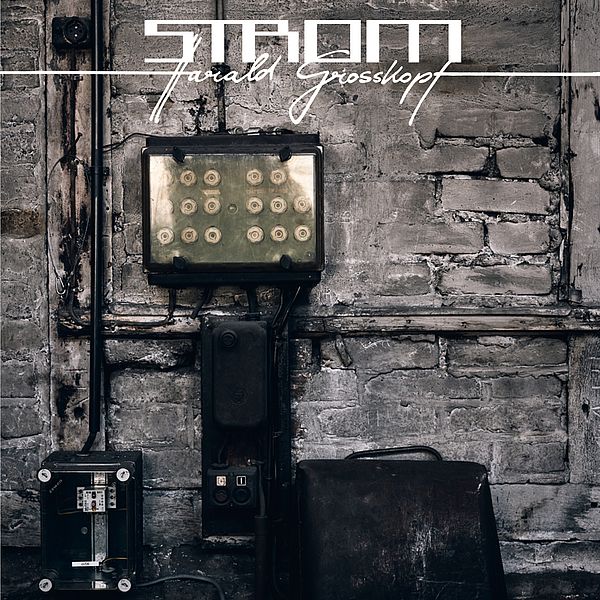
STROM - out October 10, 2024
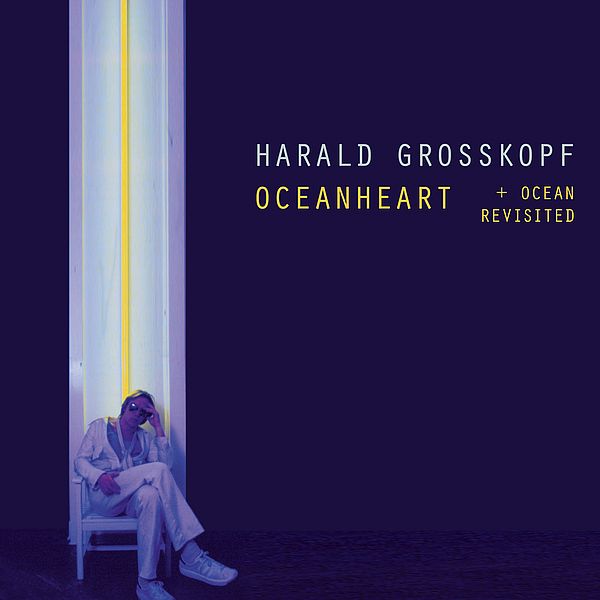
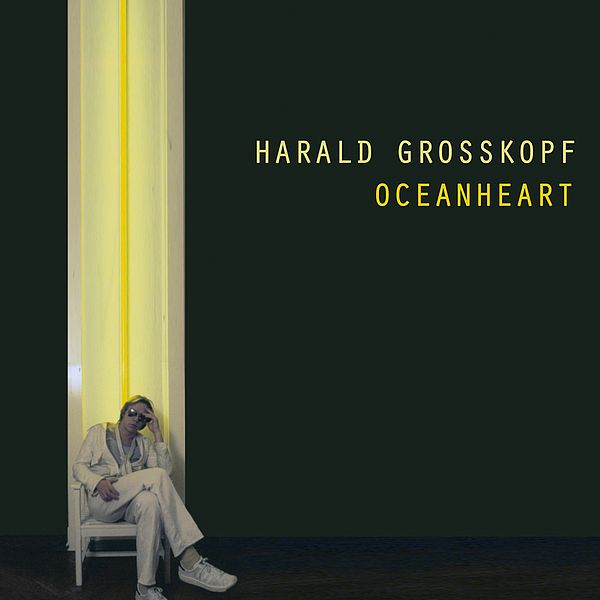
You don't really need to say much about this man: co-founder of Wallenstein, drummer on at least two of the most wonderful Krautrock albums (namely "Mother Universe" and "Cosmic Century"), member of the legendary "Kosmische Kuriere", records with Ash Ra Temple and Klaus Schulze. Finally, Harald Grosskopf switched from drums to sequencers and created something breathtaking. I listened to his solo debut Synthesist (1980) to death, and few days began without "So weit, so gut". It was a record that did everything right, that salvaged whatever could be salvaged from Kraut, adding the melancholy with which one suddenly looked back on everything that could still be naively believed and played in the 70s. Then in 1985 came the follow-up Oceanheart, no less great, albeit already noticeably more minimalist. Manuel Göttsching could be sensed in the distance if you surrendered to the track "Eve on the Hill" and followed it into the depths. Time passed, the music stayed with me. I lost sight of Harald Grosskopf, even though he did produce an album from time to time.
And now: "Strom". The evocation of electricity, the virtuosity of the circuit that skillfully intertwines man and machine, an antidote to the triumphal march of desolate musical digitality. If you listen carefully, you will immediately recognize the engineer behind the soundscapes. Right from the opener "Bureau 39", everything you would expect from Grosskopf is immediately there: the push toward hypnosis, a subdued pulse, catchy, circling bass lines, layering Moog kaleidoscopes. Sometimes the sounds coarsen, the depths distort into grinding noises (as in "Blow"), into mechanical gurgling, i.e. into what remains when the path comes to an end, when the music reaches beyond the human. The mid-tempo track with the programmatic title "After the Future", grotesquely twisting the word “never", points the way there.
Time and again, however, the beat pauses, leaving space for the soundscapes - and then, at the latest, the electronica of the early 80s springs back to life. The two complementary pieces "Gleich Strom" and "Spaeter Strom" would also fit in wonderfully on Synthesist. On the other hand, the closing track "Stromklang" remains resolutely committed to the sinister, even gloomy groove that was previously unknown from this artist and with which he has finally returned to me after far too long. Stylo Kraut indeed. Philipp Theisohn