FAUST / faUSt
FAUST
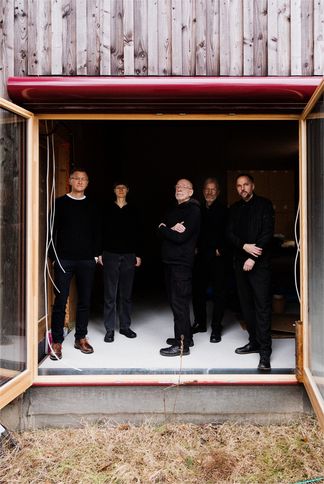
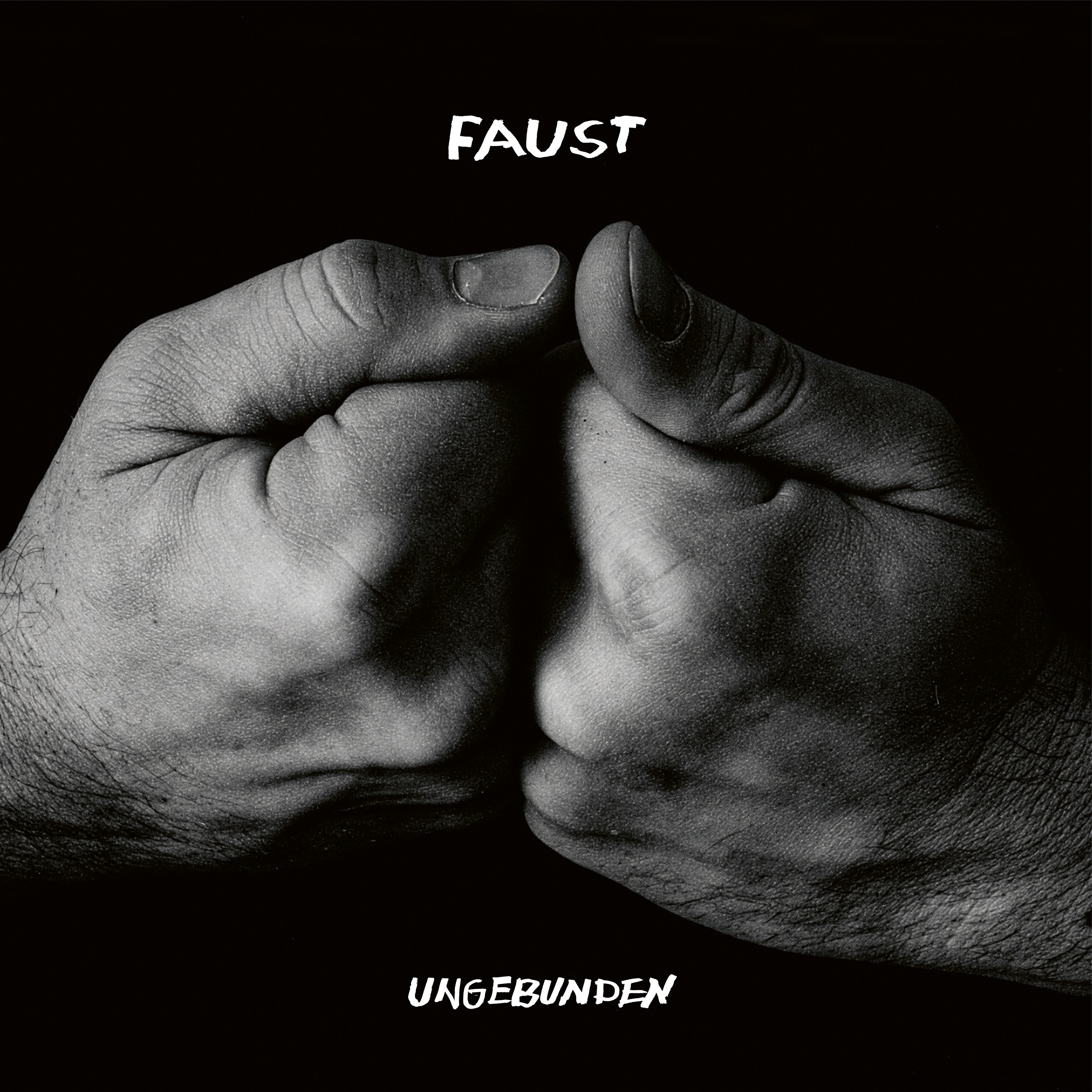
Over the years, Faust has become many things, distinct as fingers, yet united as the hand that forms the fist. This series of new LPs on Bureau B sees each living member of the legendary 1971-1974 line up present their own interpretation of the Faustian myth, working alone or with collaborators to create new material that reflects their contemporary vision of what Faust can be.
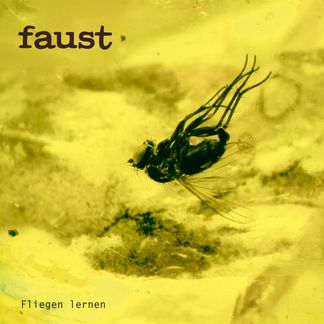
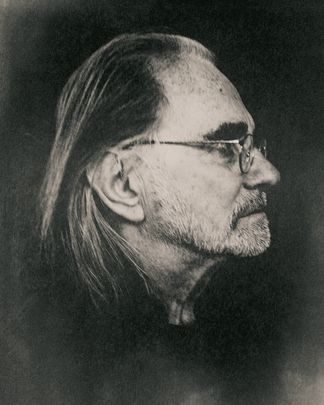
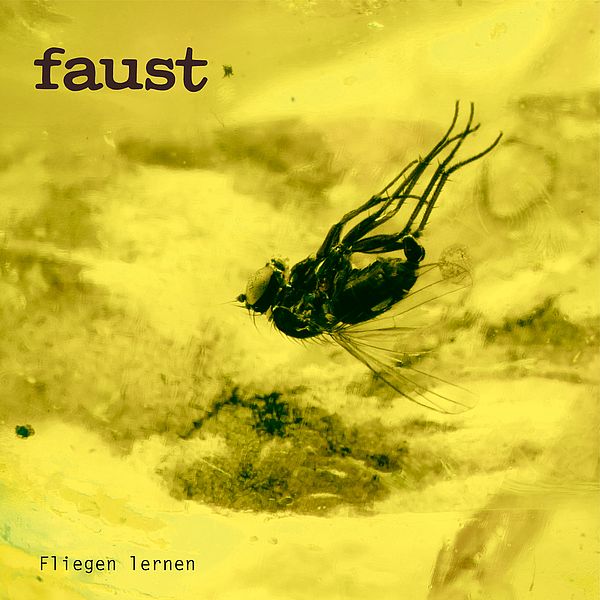
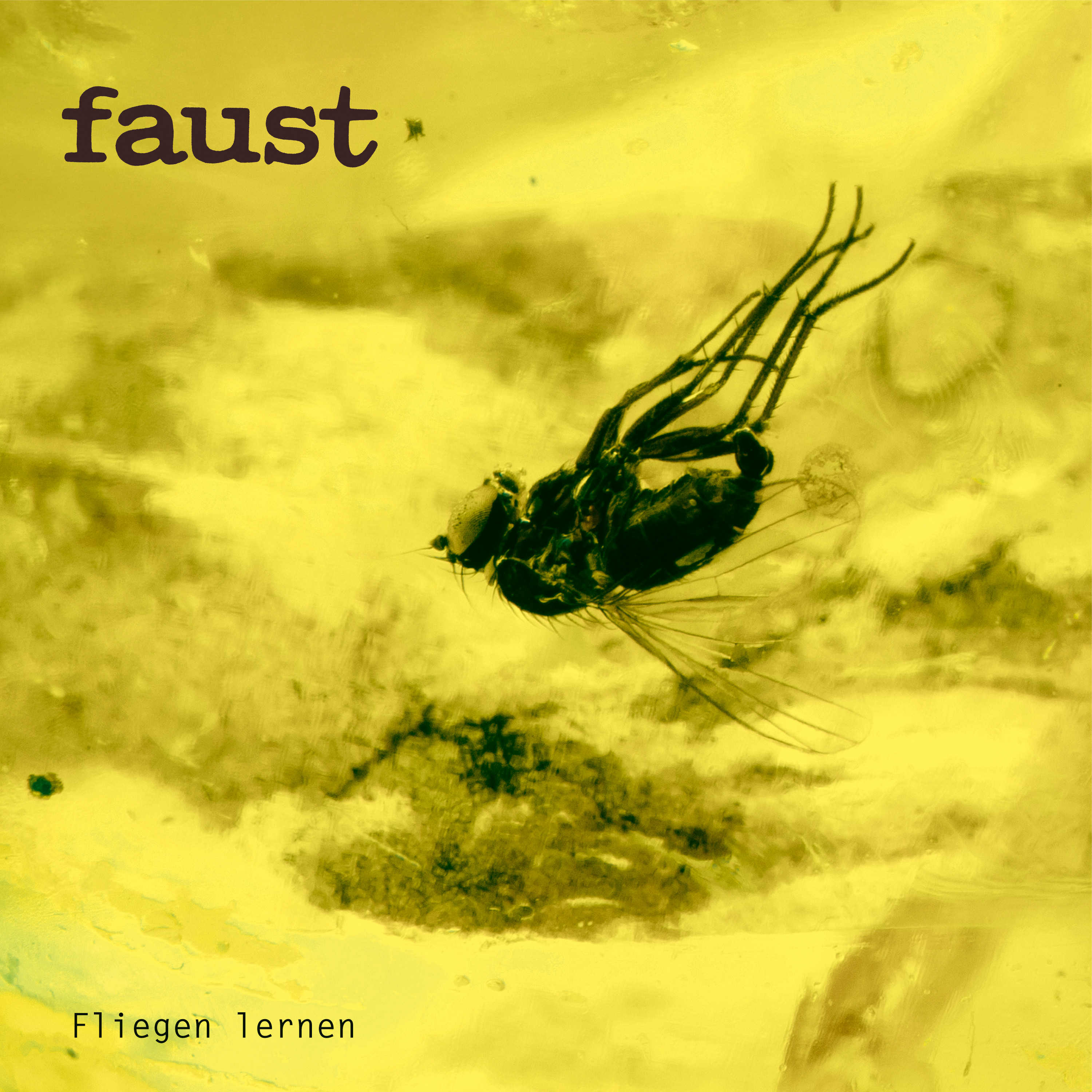
FLIEGEN LERNEN (curated by Gunther Wüsthoff) - out on September 25th, 2026
For Wüsthoff, music began long before Faust. As a child he watched his father lose himself in music, playing accordion renditions of operettas, film themes and folk songs with complete absorption. At eleven he discovered jazz through a radio programme tracing its history, then taught himself guitar and piano as a teenager, developing an instinctive relationship with sound driven by curiosity rather than convention. That outlook would become central to Faust, not simply as a band but as an enduring way of thinking. Reflecting on those formative years, Wüsthoff describes them as the experience that shaped everything that followed: without Faust, he says, he would never have made this record in the way he has today.
Produced by Onnen Bock alongside Bureau B's Gunther Buskies, Fliegen Lernen continues that philosophy. Drawn from decades of archived recordings, new studio experiments and collaborations with musicians in Hamburg, it is a living extension of Faust's open-ended creative spirit. Ideas emerge through chance as much as intention, with sounds, words and stories setting one another in motion until they gradually find their own form. Its title, simultaneously suggesting "flies are learning" and "learning to fly", perfectly captures the playful shifts in perspective that have long defined Wüsthoff's work.
Throughout Fliegen Lernen, Wüsthoff revisits and reimagines ideas that have animated his career for more than half a century. Much of the material grew from electronic sequences discovered in his archive, some echoing the patterns behind the homemade "Spieluhr" frequency-divider and sequencer he built during his Faust years.
Opener "Hörst Du Die Schritte" crashes jerky piano figures into a wiry punk-funk groove, with rhythmic saxophone and deadpan vocals creating something stranger than No Wave but irresistibly danceable. "Sonntag Nachmittag" drifts into electroacoustic territory, balancing synthetic textures, live drums and melancholic piano motifs, while "Charm Quarks Boogie" offers a brief detour into clipped digital minimalism. Tracks such as "Down, Down And Come To Me" and the title piece lock into mechanical funk rhythms filled with squealing saxophone, bubbling electronics and spoken-word passages, locating a contemporary version of the playful tension that always defined Faust.
Elsewhere the album reveals a more atmospheric and exploratory side. "Sandra Tanzt" unfolds like a shadowy soundtrack, while "Sendepause" transforms kosmische textures into weightless funk. "Erstbesteigung" emerged from an improvised session featuring Wüsthoff on MS-20 and Faust's original ARP 2600, gradually dissolving language itself into streams of fragmented syllables. The haunting "Schongang" recalls fourth-world ambience and late-night jazz introspection, before closing track "Ganz Gut, Oder" expands into a stomping, hallucinatory desert-psych excursion. Throughout it all, the ordinary becomes a source of invention. Vacuum cleaner hoses become rhythmic loops, rubber gloves squeak in the bath, shells and stones are rubbed together for texture, while a simple encounter with a fly in the kitchen becomes the basis for the album's title track.
By turns humorous, reflective, cinematic and groove-driven, Fliegen Lernen demonstrates that Wüsthoff's creative imagination remains as restless as ever. Rather than recreating the past, it embodies the same openness that made Faust so singular in the first place: a belief that any sound, object or passing observation can become the spark for something unexpected. More than fifty years after those formative experiments, Wüsthoff continues to approach music as an act of curiosity, collaboration and continual discovery.
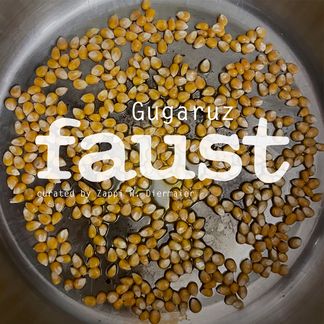
GUGARUZ (curated by Zappi W. Diermaier) - out on September 25th, 2026
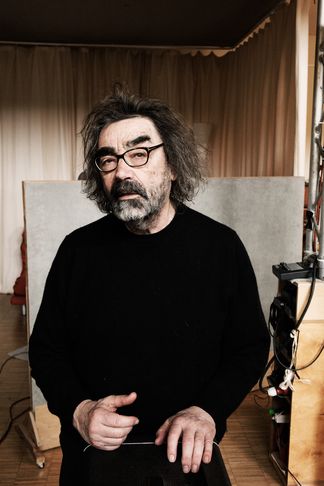
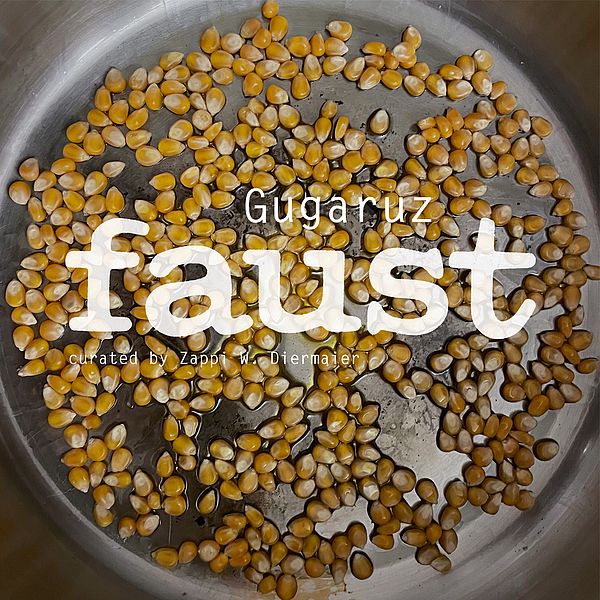
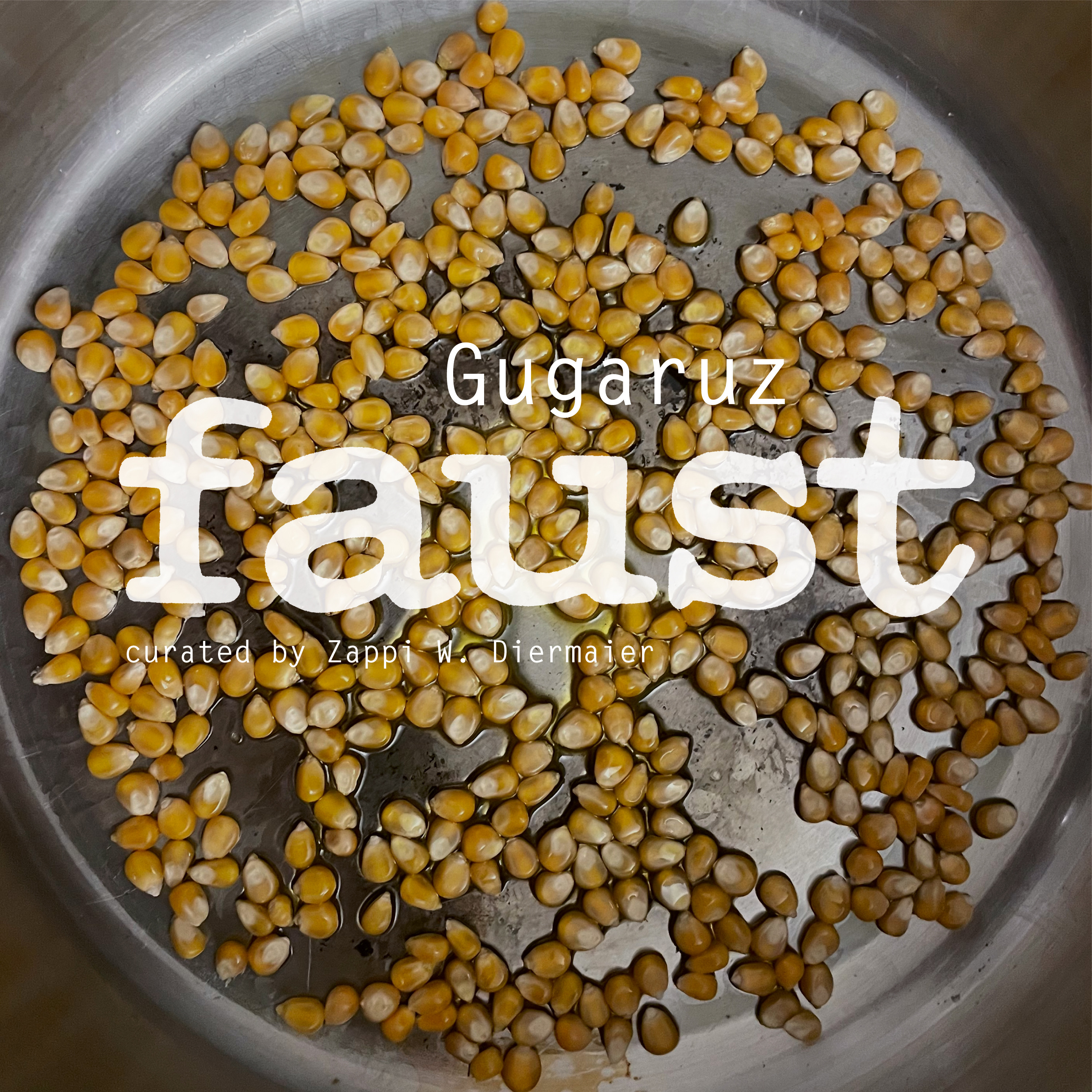
Werner ‘Zappi’ Diermaier has spent decades channeling spontaneity into a unique rhythmic language; a direct, instinctive and vital beat born from the creative freedom which has long defined the spirit of Faust. This same intuitive approach is at the heart of his new LP ‘Gugaruz’, created in collaboration with Dirk Dresselhaus (Schneider TM) and Elke Drapatz, a record which grew organically from shared experiences, chance encounters and the energy of collective interaction. The project’s unlikely starting point came in a Vietnamese restaurant, when Diermaier pointed to a piece of pickled baby corn and exclaimed “Gugaruz”, an Austrian dialect word for maize. That small moment triggered a chain reaction of ideas that would eventually shape the album’s imagery, titles and sound world. Popcorn cooking in a kitchen both became the source material for field recordings used on the opening track and inspired the cover artwork, establishing a process in which everyday sounds and environments became integral musical elements.
Throughout the album, Diermaier’s percussion serves as both foundation and driving force. His playing is entirely intuitive, developed in real time through improvisation and close interaction with the other musicians. Initial sessions as a trio, with Elke Drapatz operating the drum effects and trigger module and Dirk Dresselhaus on bass, were recorded in the latter’s ZONE studio in Berlin over a day and a half, before Uwe Bastiansen and Ilpo Väisänen added overdubs in Hamburg and Kuopio, Finland. The music captures moments as they happened, preserving the initial impulse rather than refining it into predetermined forms.
The titular “Gugaruz” introduces the album’s approach, transforming field recordings and percussion into a shifting landscape of metallic textures, resonant tones and atmospheric electronics. Next comes the expansive “Big Field”, inspired in part by the vast agricultural landscapes surrounding Diermaier’s home in Brandenburg. Built on a foundation of timpani-sized toms and metronomic cymbal, this fifteen minute psychedelic journey rides a hypnotic bassline through synth scree, languid guitar and reversed vocals, roaring into a crescendo before the melodic elements collapse in on themselves for the finale.
Elsewhere, “Saurer Regen” sees funky breaks and jazzy syncopation buried under an avalanche of guitar distortion and feedback, while “Space Agent” combines primal rhythmic drive with psychedelic and exploratory elements. The second half of the album moves into more spacious territory: “Yesterday’s Gift” and “Seeding” explore atmosphere and texture without abandoning the rhythmic sensibility that underpins the entire work.
Closing piece “Schleuse” returns to the album’s fascination with physical environments and found sound. Built from recordings made on the metal railings of a watergate near Diermaier’s home and expanded through additional harbour recordings, the track transforms elements of landscape and infrastructure into music.
‘Gugaruz’ stays true to the Faustian ideals, rejecting fixed structure in favour of a non-hierarchical musical collaboration built on listening and shared exploration. Shaped by the dialogue between Diermaier’s intuitive rhythmic approach, the interplay between Dresselhaus, Drapatz, Bastiansen and Väisänen and the use of the studio as an instrument, the album captures inspiration at its source, preserving the immediacy, energy and unpredictability of the moment in which it was created.
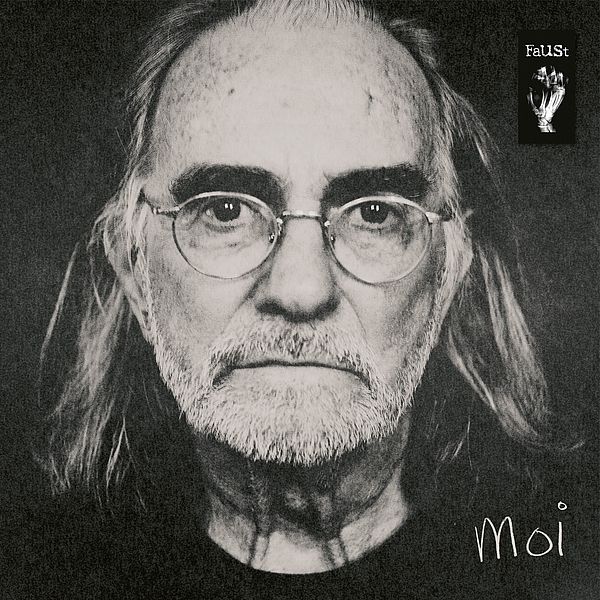
MOI (curated by Jean-Hervé Péron) - out on September 25th, 2026
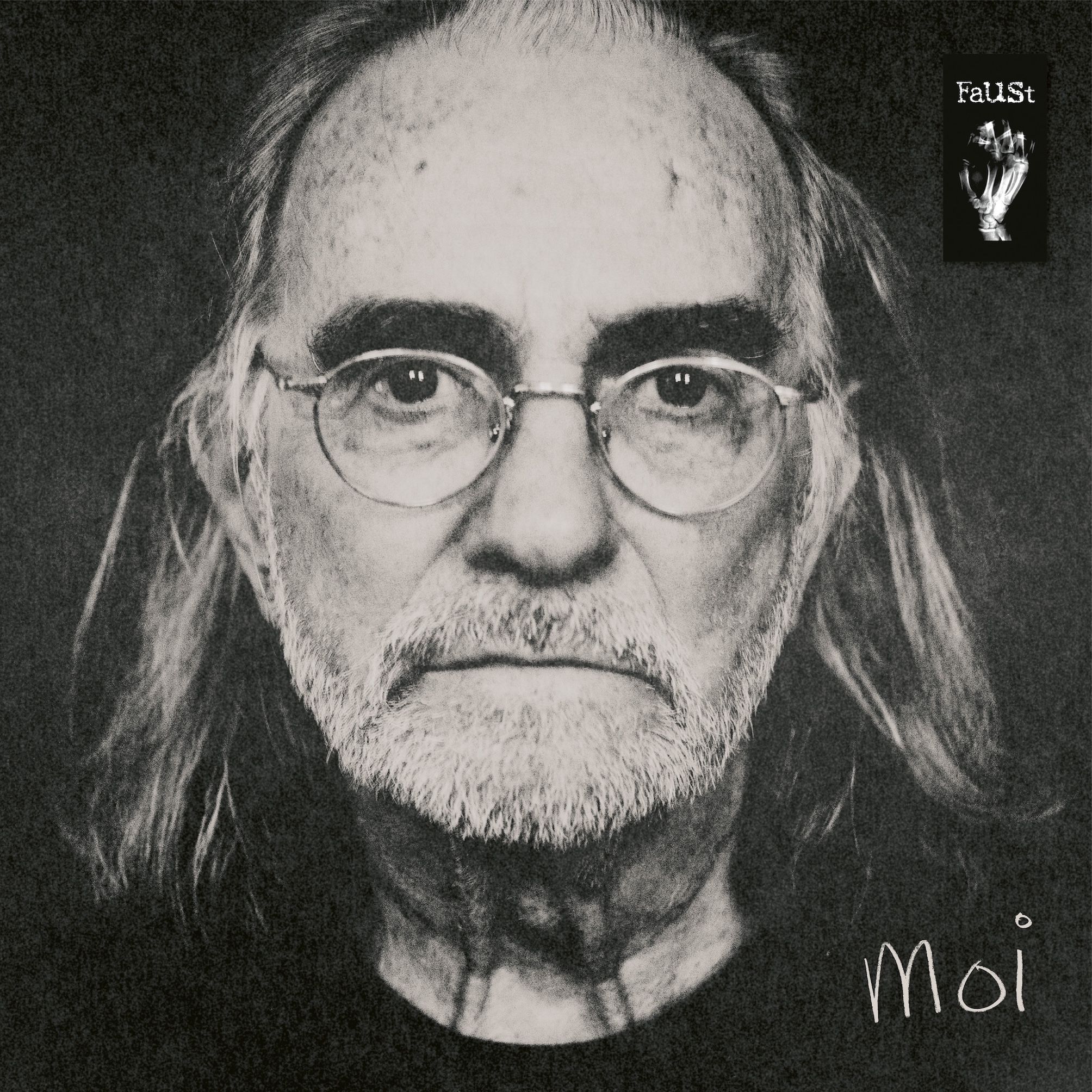
Since childhood, Jean-Hervé Peron has embraced creativity wherever he finds it. Whether duetting with the sound of his footsteps, collaborating with cement mixers or experimenting with whatever instrument he can get his hands on, play is at the heart of everything he does. This new album gathers ideas, memories and unfinished projects accumulated across his whole lifetime. Its tongue-in-cheek subtitle, ‘Maybe Of Interest’, offers a typically Peronian joke: MOI can suggest a certain self-confidence or egocentrism, yet the subtitle gently undercuts it, revealing the vulnerability, humour and self-awareness that run throughout the record. In fact, MOI is anything but solitary. Credited to FaUSt, with the "US" deliberately capitalised, the record reflects Péron's belief in collaboration, friendship and collective creativity, bringing together a wide network of musicians, engineers, writers and performers from across the extended Faust family. In fact, more than twenty people contributed to the recording sessions, making MOI as much a collective endeavour as a personal statement.
Recorded over two winter weeks at Schiphorst studio in northern Germany and deftly combining the contradictory forces of meticulous planning, free improvisation and chance discovery, MOI draws equally from childhood memories, Fluxus principles, dadaist humour and deeply personal experiences. The resulting album moves effortlessly between musique concrète, avant-pop, jazz, spoken word and experimental electronics, united by Péron's curiosity and irrepressible sense of play.
From the opening collage of "Charles et Léon", assembled from electronics, tape manipulations, found sounds and francophone samples, MOI inhabits a world where memory, accident and invention continually overlap. "Diabolus in Musica" transforms a chance encounter with the infamous tritone into an unlikely avant-pop miniature, while "Splash!" revels in multilingual voices, backmasked fragments and restless rhythmic movement. Elsewhere, Fluxus-inspired pieces such as "Metro Nomen" and the spoken-word meditation "Make Me Up" explore identity, language and the creative possibilities of disruption.
Balancing the album's experimental impulses are some of Péron's most emotionally direct compositions. "Du Fehlst Mir", written following the loss of a beloved companion, unfolds as a moving late-night jazz ballad, while "Telele" draws on childhood influences to create an atmosphere that is by turns choral, dreamlike and unsettling. The spacious jazz textures of "Quinten & Quarten", the shifting beauty and abrasion of "L'Orchestre des Anges", and the socially conscious reflections of "Writings On The Wall" further demonstrate the remarkable breadth of Péron's musical vocabulary.
The album closes with "Doux Ami", which moves from sombre introspection towards a joyful communal celebration, encapsulating the spirit that runs through MOI.
Throughout the record, Jean-Hervé Péron presents FaUSt as a living network of friendships, ideas and creative exchanges.
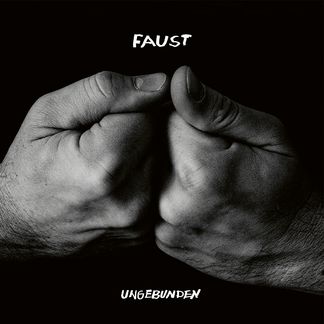
UNGEBUNDEN (curated by Hans-Joachim Irmler) - out on September 25th, 2026
For over half a century, Hans Joachim Irmler has pursued the outer limits of sound. As a child, he would neglect his flute to pluck at the strings of his grandmother’s zither, cutting his fingers in search of greater resonance and volume. Drawn from an early age to the physical power of sound, he eventually found his instrument in the organ, whose vast sonic range offered seemingly endless possibilities; he still performs on the first organ he built himself. Expanding his sonic palette with synthesisers, tape manipulation and self-modified electronics, Irmler has relentlessly treated music less as composition than as a force of nature, capable of overwhelming, disorienting, destabilising and transforming both performer and listener alike.
Ungebunden continues this trajectory. Recorded alone in the Faust studio in Scheer over the course of just three weeks, the album does not revisit Faust as a repertoire or a historical artefact, but as a continuous vessel for pure creativity. Working largely through improvisation, Irmler begins with little more than a direction or impulse, allowing the material to reveal its own logic as it unfolds.
The opening piece, "Gefallen", emerges from a haze of mournful mellotron tones and distant organ figures. Feedback blooms and collapses across the stereo field, amplifiers pushed into saturation until buzzing distortion begins to reveal hidden harmonies. Beneath waves of oscillation and overdriven circuitry, fragile melodic fragments appear, only to be submerged once more beneath barrages of electronic noise. Piano and organ intertwine in heady counterpoint while seismic drum strikes sporadically pierce the wall of sound before the track drifts into a closing elegy.
"Zerfallen Teil I" moves deeper into unstable territory. Sustained drones and wavering string textures drift against detuned keyboards and cascading delay lines, creating shifting rhythmic relationships that seem perpetually on the verge of disintegration. Synthesiser motifs spiral upwards before being interrupted by bursts of interference, mechanical screeches and abrupt spatial dislocations, the track's tone straddling experimental electronics and the churn of doom rock.
The transition into "Zerfallen Teil II" introduces a surprising sense of propulsion. Jazz-inflected drumming gathers the fragments of its predecessor and drives them into unexpectedly rhythmic territory, where psychedelic motifs drift in and out of focus, as though deep-space communications transmitted decades earlier are only now arriving from beyond the horizon.
Closing track "Auseinandergefallen" condenses the album's concerns into a final surge of concentrated intensity. Massive synthesiser figures advance through roaring distortion while pulsing waveforms, whistles and electronic chatter orbit around them. At once oppressive and playful, structured and chaotic, the piece embodies the tension at the heart of Irmler's process.
Through Ungebunden, Hans Joachim Irmler poses Faust as a question, its sound a force capable of unsettling assumptions, disrupting perception and opening unforeseen possibilities.